
Healthy, shiny hair is something everyone wants. Many people struggle with hair fall, thinning, or slow growth. One simple and natural way to support hair health is by using prenatal vitamins for hair growth. Although they are called “prenatal,” these vitamins can help anyone with hair problems because they are rich in nutrients that strengthen hair from the root.
In this article, we will explain what prenatal vitamins are, why they help hair, which ingredients are important, how to take them, benefits, safety tips, and other simple ways to improve hair growth. All explanations are in plain and friendly language so you can understand and apply them easily.
Table of Contents
What Are Prenatal Vitamins?
Prenatal vitamins are supplements made for pregnant women to support their health and the baby’s growth. These vitamins contain important nutrients such as iron, folic acid, vitamin D, vitamin B12, zinc, biotin, and other minerals.
Even if you are not pregnant, prenatal vitamins for hair growth can still be helpful. Hair needs vitamins and minerals to grow strong and healthy. When your body gets enough nutrients, hair breakage reduces, and hair grows better from the roots.
How Prenatal Vitamins Help Hair Growth
Hair grows in stages, and each hair strand needs good nutrition. Prenatal vitamins for hair growth help in many simple ways:
- Biotin makes hair stronger and reduces breakage
- Vitamin C helps produce collagen, which supports strong hair
- Vitamin D helps hair roots grow new hair
- Iron helps prevent hair thinning
- Zinc repairs damaged hair and keeps the scalp healthy
When these nutrients work together, hair becomes thicker, stronger, and healthier. Many people also see less hair fall after regular use.
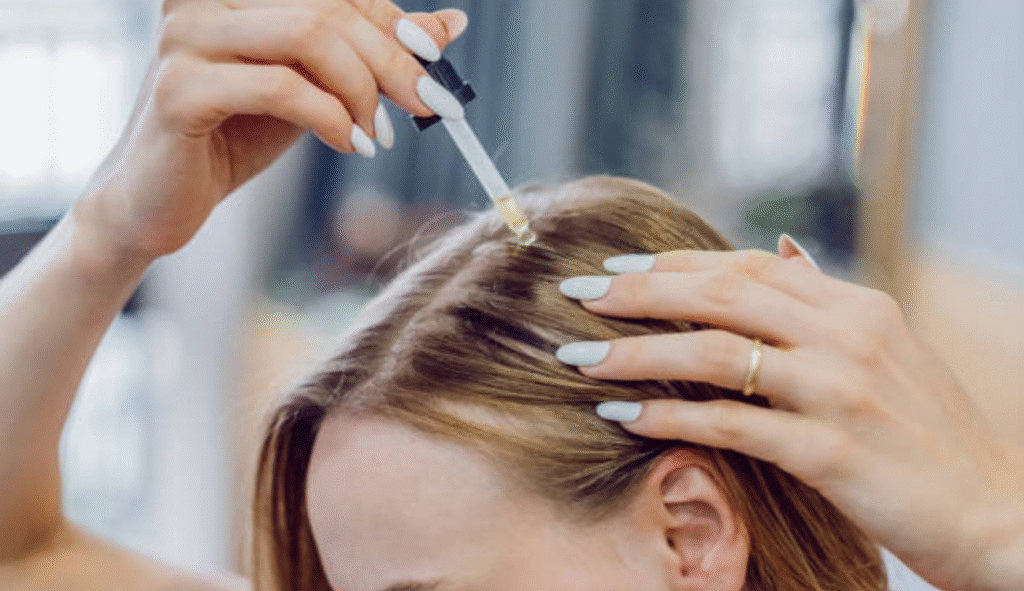
Key Ingredients in Prenatal Vitamins for Hair Growth
Different brands may vary, but good prenatal vitamins for hair growth usually contain these nutrients:
- Biotin (Vitamin B7): Helps reduce hair loss
- Folic Acid (Vitamin B9): Supports hair growth and repair
- Vitamin A: Keeps the scalp healthy
- Vitamin C: Helps make collagen for strong hair
- Vitamin D: Supports new hair growth
- Vitamin E: Protects hair from damage
- Iron: Prevents hair thinning
- Zinc: Keeps the scalp healthy
- Omega-3 fatty acids: Add shine and moisture to hair
Always check the label before choosing a supplement.
How to Take Prenatal Vitamins for Hair Growth
Taking prenatal vitamins is easy, but correct use is important:
- Take one tablet daily
- Always take it with food
- Be patient — results usually show after 2–3 months
- Do not take more than the recommended dose
If you feel stomach discomfort, take the vitamin after a full meal and drink enough water.
Benefits of Prenatal Vitamins for Hair Growth
Using prenatal vitamins for hair growth offers many benefits:
1. Stronger Hair
Biotin and B vitamins help reduce breakage and split ends.
2. Thicker Hair
Iron, zinc, and folic acid help hair grow fuller.
3. Faster Hair Growth
Vitamin C and E support faster and healthier hair growth.
4. Less Hair Loss
Iron, vitamin D, and biotin help reduce hair fall caused by stress or poor diet.
5. Healthier Scalp
Zinc, vitamin A, and omega-3 keep the scalp clean and hydrated.
6. Better Overall Health
These vitamins also support skin, nails, and energy levels.
Who Can Use Prenatal Vitamins for Hair Growth?
Prenatal vitamins for hair growth can be used by:
- Adults facing hair fall or thinning
- People with weak or brittle hair
- Those with vitamin or mineral deficiency
Pregnant or breastfeeding women should always ask a doctor before use.
Safety Tips and Precautions
To use prenatal vitamins safely:
- Do not take more than the recommended dose
- Too much iron or vitamin A can be harmful
- Check for allergies
- Talk to a doctor if you take other medicines
- Always take vitamins with food
These steps help you avoid side effects.
How Long Does It Take to See Results?
Hair growth takes time, so be patient:
- 2–3 months: Less breakage, stronger hair
- 3–6 months: Thicker and healthier hair
- 6+ months: Better growth and shine
Regular use gives the best results.
Extra Tips for Healthy Hair
Vitamins work best with healthy habits:
- Eat fruits, vegetables, and protein-rich foods
- Drink enough water daily
- Avoid too much heat and chemicals
- Massage your scalp gently
- Reduce stress
These habits improve the effect of prenatal vitamins for hair growth.
Learn More About Prenatal Vitamins for Hair Growth
If you want to learn more about how prenatal vitamins for hair growth help make hair stronger and healthier, you can read information from these trusted websites. These sources explain vitamins, nutrients, and hair health in a clear and reliable way.
Helpful and Trusted Sources
- Healthline – Prenatal Vitamins and Hair Health
- WebMD – Vitamins for Hair Growth
- Medical News Today – Prenatal Vitamins and Hair Growth
Benefits Table
| Benefit | How It Helps | Best Use |
|---|---|---|
| Strong hair | Biotin & B vitamins | Take daily with food |
| Thick hair | Iron, zinc, folic acid | Use consistently |
| Fast growth | Vitamin C & E | Healthy diet |
| Less hair loss | Iron, vitamin D, biotin | Follow dosage |
| Healthy scalp | Zinc, vitamin A, omega-3 | Daily care |
| Overall health | Multivitamins | Supports hair & skin |
Conclusion
Prenatal vitamins for hair growth are a simple and natural way to improve hair health. They help make hair stronger, reduce hair fall, support new growth, and keep the scalp healthy.
Hair growth takes time, so stay consistent and patient. When combined with a healthy diet, enough water, and good hair care, these vitamins can help you achieve thicker, shinier, and healthier hair naturally.
Start using prenatal vitamins for hair growth wisely and give your hair the care it deserves
Related Articles
How Long Does a Broken Toe Take to Heal? A Complete Recovery Guide
Understanding the MPV Blood Test: What It Means for Your Health