
Acne around mouth is a common skin issue that affects people of all ages, from teenagers to adults. Unlike general acne, which may appear anywhere on the face, acne around mouth is specifically located near the lips, chin, and lower cheeks. This type of acne can be stubborn and sensitive, making it essential to understand its causes and treatment options.
Many people struggle with acne around mouth because it can leave redness, inflammation, and even scars if not treated properly. In this article, we’ll explore every detail about this problem, including causes, home remedies, medical treatments, and preventive measures.
What is Acne Around Mouth?
Acne around mouth refers to the appearance of pimples, whiteheads, blackheads, or cysts in the area surrounding the lips and chin. These breakouts occur due to clogged pores caused by excess oil, dead skin cells, bacteria, or other external factors.
What makes acne around mouth unique is its sensitivity. The skin near the lips is thinner and more delicate, which means harsh treatments can worsen the problem. If left untreated, acne around mouth can become painful, inflamed, or lead to permanent scarring.
Common Causes of Acne Around Mouth
Understanding the reasons behind acne around mouth is essential for effective treatment. Here are the most common causes explained in detail:
1. Hormonal Changes
Hormones play a crucial role in skin health. During puberty, menstruation, pregnancy, or hormonal disorders like polycystic ovary syndrome (PCOS), hormonal fluctuations can increase oil production in the skin. Excess oil clogs pores, leading to acne around mouth. Women may notice these breakouts appearing before or during their menstrual cycle due to hormonal shifts.
2. Poor Diet
Certain foods can trigger acne, especially around the mouth. Processed foods, sugary snacks, fried foods, and dairy products may increase inflammation and oil production in the skin. High sugar intake causes blood sugar spikes, which can indirectly trigger acne by affecting hormone balance.
3. Stress and Sleep Deprivation
Stress is a silent trigger for acne around mouth. When stressed, the body produces cortisol, a hormone that increases oil production. Lack of sleep further worsens hormonal balance and slows skin regeneration, making acne more visible and longer-lasting.
4. Improper Skincare Routine
Using the wrong skincare products or neglecting basic hygiene can worsen acne. Harsh cleansers, oily moisturizers, or makeup that clogs pores (comedogenic products) often trigger breakouts. Not removing makeup before sleeping also allows dirt and oil to accumulate around the mouth area.
5. Touching the Face Frequently
Frequent touching of the face, especially around lips and chin, transfers bacteria and oils from hands to skin. This can cause acne around mouth to appear or worsen. Even resting your chin on your hand while working or sleeping can spread bacteria.
6. Allergic Reactions
Some lip balms, toothpaste, or skincare products contain ingredients like menthol, fluoride, or alcohol that irritate sensitive skin. This irritation can cause acne-like bumps around the mouth. Switching to hypoallergenic products can often reduce breakouts.
7. Smoking and Alcohol Consumption
Smoking damages collagen, reduces blood flow to the skin, and contributes to premature aging. Alcohol dehydrates the skin and can trigger inflammation, making acne around mouth more noticeable.
Symptoms of Acne Around Mouth
Acne around mouth can vary in type and severity. Some common symptoms include:
- Small red or white pimples around lips and chin
- Painful or inflamed bumps
- Blackheads or whiteheads in the affected area
- Occasional cystic acne causing deeper swelling
- Scarring if pimples are picked or squeezed
Recognizing these symptoms early can help you apply the correct treatments and avoid long-term damage.
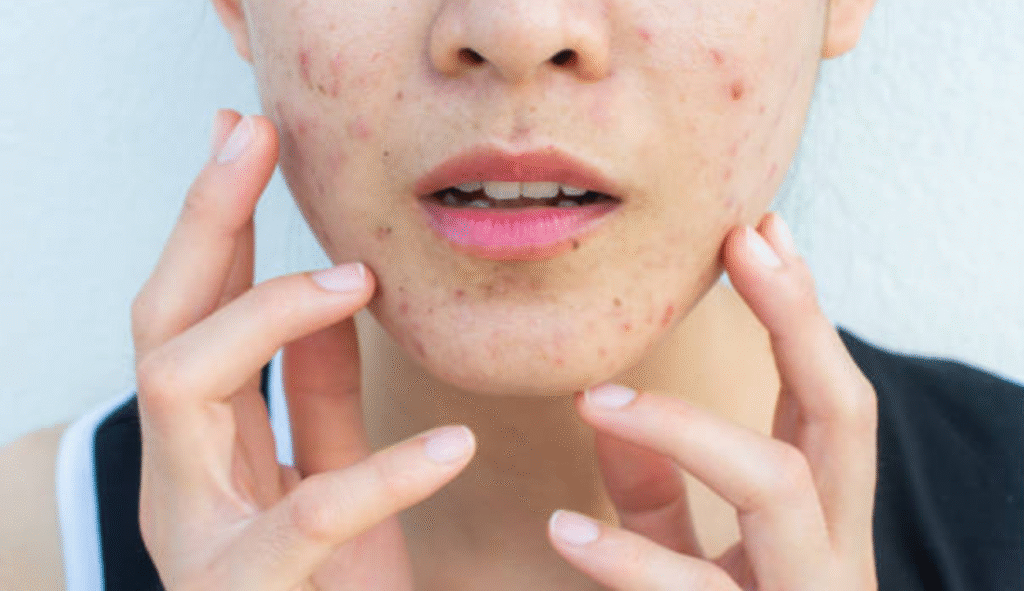
Common Triggers and How They Affect the Skin
| Trigger | How it causes acne around the mouth | What to watch for |
|---|---|---|
| Toothpaste / Lip balm | Irritates the skin, causing small red bumps | New product started before breakout |
| Hormonal changes | Increases oil production and deep cysts | Breakouts before periods or during stress |
| Steroid creams | Can cause perioral dermatitis with small bumps | Rash around mouth that resists acne cream |
| Masks / friction | Traps oil and creates friction | Breakouts along mask area and chin |
| Heavy cosmetics | Blocks pores and irritates | Pimples where makeup is applied |
| Antibiotics / meds | Side effects or microbiome changes | New medication started recently |
How to Treat Acne Around Mouth
Treatment for acne around mouth depends on its severity. Here are some effective approaches:
1. Topical Treatments
Topical creams and gels containing benzoyl peroxide, salicylic acid, or retinoids are commonly recommended for mild to moderate acne. These ingredients unclog pores, reduce bacteria, and decrease inflammation. However, since the skin around mouth is sensitive, it’s important to use these treatments carefully to prevent irritation.
2. Oral Medications
For severe acne around mouth, dermatologists may prescribe oral antibiotics, hormonal therapy, or isotretinoin. These medications reduce bacteria, control oil production, and regulate hormonal imbalances. Always follow medical advice before starting oral treatments.
3. Natural Home Remedies
Home remedies can be very effective for acne around mouth, especially for mild cases. Some options include:
- Honey and Cinnamon Mask: Honey has antibacterial properties, while cinnamon reduces inflammation. Mix both ingredients and apply to affected areas for 10–15 minutes.
- Aloe Vera Gel: Aloe soothes irritation and promotes skin healing. Apply pure aloe gel to pimples twice a day.
- Tea Tree Oil: Dilute tea tree oil with a carrier oil and apply to pimples to reduce bacteria and redness.
- Green Tea Application: Applying cooled green tea bags on acne can reduce inflammation due to its antioxidant properties.
- Cucumber Slices: Cucumber soothes skin and reduces redness. Place slices on affected areas for 15–20 minutes daily.
4. Professional Treatments
Persistent acne around mouth may require professional care, such as:
- Chemical Peels: Remove dead skin and unclog pores.
- Laser Therapy: Reduces inflammation and kills bacteria.
- Microdermabrasion: Helps with scarring and improves skin texture.
Prevention Tips for Acne Around Mouth
Preventing acne is easier than treating it. Here are effective prevention strategies:
Regular Exercise
Moderate exercise improves blood circulation, helps reduce stress, and promotes healthier skin.
Maintain a Healthy Diet
Eat more fruits, vegetables, and drink plenty of water. Avoid excessive sugar, processed foods, and dairy to reduce inflammation.
Follow a Proper Skincare Routine
Use gentle cleansers and non-comedogenic moisturizers. Remove makeup thoroughly before bed.
Avoid Touching Your Face
Keep hands clean and avoid resting your chin on your hands to prevent transferring bacteria.
Manage Stress and Sleep Well
Meditation, yoga, or deep-breathing exercises help reduce stress. Sleep 7–8 hours to allow your skin to repair naturally.
Check Your Products
Avoid lip balms, toothpaste, or cosmetics with irritating ingredients. Choose hypoallergenic products suitable for sensitive skin.
Stay Hydrated
Drinking sufficient water flushes toxins and keeps skin hydrated, reducing the chance of acne flare-ups.
Natural and home care tips (what I recommend trying safely)
- Warm compresses for deep, painful bumps can reduce pain and bring down inflammation.
- Honey or green tea: gentle calming ingredients — dab and rinse; don’t leave sticky layers.
- Avoid picking or popping — this causes scarring and spreads bacteria.
- Keep a food diary: if you suspect certain foods make breakouts worse, try removing them for a few weeks to see if things improve.
- Use a clean towel and pillowcase: change pillowcases twice a week; don’t rest your chin on dirty hands.
When to see a doctor or dermatologist
- If the acne is painful, lasts many weeks, or causes scarring.
- If it spreads quickly or comes with fever or swelling.
- If you’ve tried over-the-counter treatments for 6–8 weeks without improvement.
- If you suspect perioral dermatitis (tiny bumps clustered around the mouth) — this often needs prescription medicine.
- If you recently started a new medication and suspect it’s the cause.
A doctor can prescribe stronger topical creams, oral antibiotics, hormonal treatments, or specialized medications that are not available over the counter.
Myths and facts (quick and clear)
- Myth: Only dirty skin causes acne.
Fact: Acne is linked to oil, hormones, bacteria, and irritation — not simply being unclean. Over-washing can make it worse. - Myth: Popping pimples helps them heal.
Fact: Popping increases infection risk and can leave permanent scars. - Myth: Sunscreen causes acne.
Fact: Some sunscreens can clog pores, but many are labeled non-comedogenic and are safe. Pick one suitable for acne-prone skin.
Final thoughts
Acne around the mouth is common and usually treatable. The important first step is to figure out the likely cause is it regular acne, a reaction to a product, perioral dermatitis, or hormones? Start gently: clean skin twice daily, avoid irritating products, and try a targeted over-the-counter treatment. If the problem doesn’t improve in 6–8 weeks or it’s painful and scarring, see a healthcare professional.
Related Articles: