
Salicylic acid is celebrated as a miracle ingredient for acne prone skin, appearing in cleansers, serums, and exfoliants everywhere. But some people notice unexpected breakouts, raising the question: can salicylic acid cause acne?
Understanding how your skin reacts to this powerful ingredient is essential. With the right approach, you can harness its benefits while avoiding irritation, dryness, or temporary breakouts.
What is Salicylic Acid and How Does It Work?
Salicylic acid is a type of beta hydroxy acid known for its ability to penetrate deep into pores. Unlike other exfoliants, it’s oil-soluble, meaning it can break down excess sebum and remove dead skin cells trapped inside pores. This makes it highly effective for blackheads, whiteheads, and general acne prevention.
Key benefits include:
- Unclogging pores and reducing oil buildup
- Reducing redness and inflammation
- Helping prevent future breakouts
Despite these benefits, not everyone’s skin reacts the same way. Some individuals may notice irritation, dryness, or even breakouts after starting salicylic acid. So, can salicylic acid cause acne? The answer depends on several factors.
Why Some People Experience Breakouts
Even though can salicylic acid cause acne, certain conditions can make it appear as if it’s causing pimples.
1. Purging – The Temporary Breakout Phase
When you first introduce salicylic acid to your routine, your skin may experience what is called “purging.” This happens because the acid speeds up the turnover of skin cells, pushing impurities that were already forming beneath the surface to appear faster.
- Purging usually lasts 4–6 weeks
- Pimples that appear during this phase are often temporary
- After purging, skin generally clears up
2. Overuse and Irritation
Using too much this can salicylic acid cause acne or products with high concentrations can disrupt the skin’s natural balance. Over-exfoliation can:
- Strip away essential oils
- Cause dryness and flakiness
- Trigger inflammation, which can mimic acne
Balance is crucial. Starting slow and adjusting concentration is the safest approach.
3. Skin Sensitivity
Not all skin types tolerate salicylic acid well. Individuals with dry or sensitive skin may experience reactions that include:
- Redness and burning sensation
- Small breakouts resembling acne
- Tightness or discomfort
If your skin is highly reactive, using lower concentrations or combining with a hydrating moisturizer is essential.
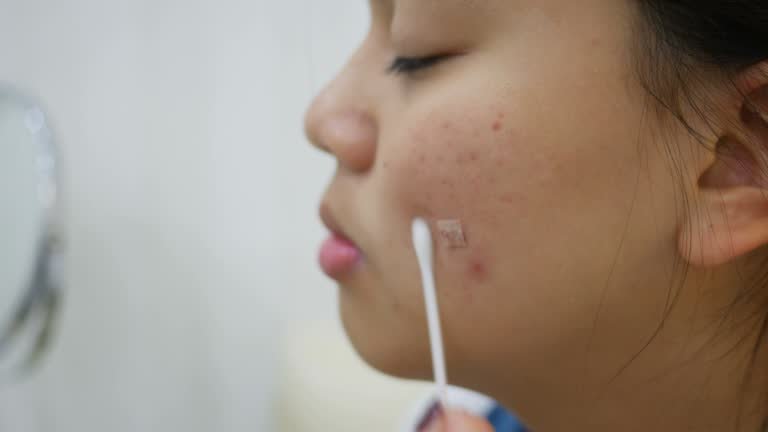
4. Mixing With Other Potent Ingredients
Combining salicylic acid with other strong skincare actives like retinoids, benzoyl peroxide, or AHAs can sometimes backfire. While each ingredient is effective independently, using them together without proper spacing can overload the skin and cause irritation, which may appear as acne.
How to Use Salicylic Acid Safely
The key to enjoying salicylic acid without unwanted breakouts lies in the right usage. Here’s a step-by-step guide:
Step 1: Start Slowly
Begin with low concentrations (0.5–1%) and apply every other day. Gradually increase frequency as your skin adapts.
Step 2: Hydrate Your Skin
Since salicylic acid can dry the skin, pairing it with a non-comedogenic moisturizer is crucial. Ingredients like hyaluronic acid and glycerin help maintain moisture while keeping pores clear.
Step 3: Avoid Over-Exfoliation
Limit other exfoliants in your routine to avoid irritation. A gentle cleanser and hydrating products should accompany your salicylic acid treatment.
Step 4: Observe Your Skin
If breakouts persist beyond 6 weeks, or if your skin feels irritated, it may be time to reduce use or try alternative treatments.
Benefits of Salicylic Acid Beyond Acne
While most people associate can salicylic acid cause acne with acne treatment, its benefits go beyond:
- Reduces blackheads and whiteheads by deep cleaning pores
- Minimizes oiliness, helping balance combination and oily skin
- Smooths skin texture through gentle exfoliation
- Anti-inflammatory effects calm redness and irritation
Proper use ensures these benefits without the risk of unnecessary breakouts.
Common Myths About Salicylic Acid
- Myth: It will instantly clear all acne
- Reality: Results take time; consistency is key.
- Myth: More is better
- Reality: Overuse can irritate and worsen skin.
- Myth: Salicylic acid causes acne directly
- Reality: Breakouts are usually due to purging or improper use, not the ingredient itself.
Signs Salicylic Acid May Not Be Right for You
- Persistent irritation or redness
- Breakouts lasting longer than 6 weeks
- Excessive dryness or flaking
If these occur, consider consulting a dermatologist or switching to gentler options like sulfur based treatments or benzoyl peroxide at lower concentrations.
Science-Backed Insights
Clinical studies confirm the effectiveness of salicylic acid:
- Participants using 2% salicylic acid cleansers showed significant improvement in acne lesions over 12 weeks.
- About 10–15% of users may experience temporary irritation or mild breakouts, highlighting the need for patch testing and gradual introduction.
Final Thoughts:
In short, salicylic acid does not directly cause acne, but improper use, skin sensitivity, or interactions with other products can make it appear as if it does. Understanding your skin type, starting slow, and pairing it with hydrating products is the best way to enjoy its benefits without negative side effects.
Key takeaways:
- Salicylic acid is an effective acne-fighter for most skin types
- Purging is normal and temporary
- Overuse or irritation can mimic acne
- Hydration and gradual introduction prevent unwanted breakouts
With the right approach, salicylic acid can remain a powerful ally in your skincare routine, helping you achieve clearer, healthier skin without unnecessary surprises.
Related Article: