
Mushroom alfredo is one of those dishes that doesn’t need an introduction. Creamy, comforting, and deeply satisfying, it’s the kind of pasta you turn to when you want something reliable yet indulgent. With tender mushrooms, a smooth alfredo sauce, and perfectly cooked pasta, mushroom alfredo feels like a warm meal made with intention, even when it comes together quickly.
This article covers everything you need to know about mushroom alfredo — from its story and ingredients to step-by-step preparation, nutrition, variations, and expert tips. Whether you’re cooking for the first time or refining your go-to pasta recipe, this guide will help you make mushroom alfredo confidently.
A Short, Real Story Behind This Mushroom Alfredo
The first time I made mushroom alfredo wasn’t planned at all.
It was a quiet evening, the kind where the fridge looks uninspiring and ordering food feels unnecessary. There was pasta in the pantry, mushrooms that needed to be used, a little cream left from another recipe, and a block of parmesan. Nothing fancy. Just simple ingredients waiting for direction.
As the pasta water started to boil, mushrooms went into a pan with butter and garlic. The smell changed the entire mood of the kitchen. When the cream slowly thickened and the cheese melted into it, the sauce looked richer than expected. That first bite of mushroom alfredo was creamy, balanced, and comforting in a way that only simple food can be.
Since then, mushroom alfredo has become a recipe I return to often. Not because it’s complicated, but because it always delivers comfort, flavor, and familiarity.
What Is Mushroom Alfredo?
Mushroom alfredo is a pasta dish made with mushrooms and a creamy alfredo-style sauce. Traditional alfredo sauce is prepared using butter, cream, and cheese, resulting in a smooth and rich texture. When mushrooms are added, they bring an earthy depth that balances the creaminess.
Mushroom alfredo is most commonly served with fettuccine, but it works beautifully with other pasta shapes as well. The dish is especially popular as a vegetarian comfort meal that doesn’t feel like a compromise.
To understand the classic roots of alfredo sauce, you can explore this neutral reference:
https://en.wikipedia.org/wiki/Fettuccine_Alfredo
Why Mushroom Alfredo Is So Popular
Mushroom alfredo remains popular because it combines simplicity with indulgence. It uses everyday ingredients, yet the final result feels restaurant-quality. The mushrooms add substance and umami flavor, making the dish satisfying even without meat.
Another reason mushroom alfredo stands out is its flexibility. You can adjust ingredients, add vegetables, or lighten the sauce without losing its essence. It works for weeknight dinners, special occasions, and everything in between.
Ingredients for Mushroom Alfredo (With Quantity)
This mushroom alfredo recipe serves 2–3 people.
- Pasta (fettuccine preferred) – 250 grams
- Fresh mushrooms (button or cremini, sliced) – 200 grams
- Unsalted butter – 2 tablespoons
- Olive oil – 1 tablespoon
- Garlic (minced) – 3 cloves
- Heavy cream – 1 cup (240 ml)
- Parmesan cheese (freshly grated) – ½ cup
- Salt – ½ teaspoon (adjust to taste)
- Black pepper – ¼ teaspoon
- Italian seasoning or dried herbs – ½ teaspoon (optional)
- Reserved pasta water – ¼ cup (as needed)
Optional additions include fresh parsley, red pepper flakes, spinach, or a pinch of nutmeg.
Best Mushrooms for Mushroom Alfredo
The type of mushroom you use plays a big role in the final flavor of mushroom alfredo. Cremini mushrooms are a favorite because they have a deeper taste than white button mushrooms. Button mushrooms are mild and work well if you prefer a lighter flavor.
Portobello mushrooms offer a meatier texture, while mixing different varieties can add complexity. No matter the choice, fresh mushrooms always deliver better results than canned ones in mushroom alfredo.
Choosing the Right Pasta
Fettuccine is the traditional choice for mushroom alfredo because its wide, flat shape holds creamy sauce well. However, other pasta shapes work just as effectively.
Linguine provides a lighter texture, penne captures sauce inside its ridges, and tagliatelle offers an authentic feel. Cooking pasta until al dente ensures it holds up when mixed with mushroom alfredo sauce.
How to Make Mushroom Alfredo (Step-by-Step)
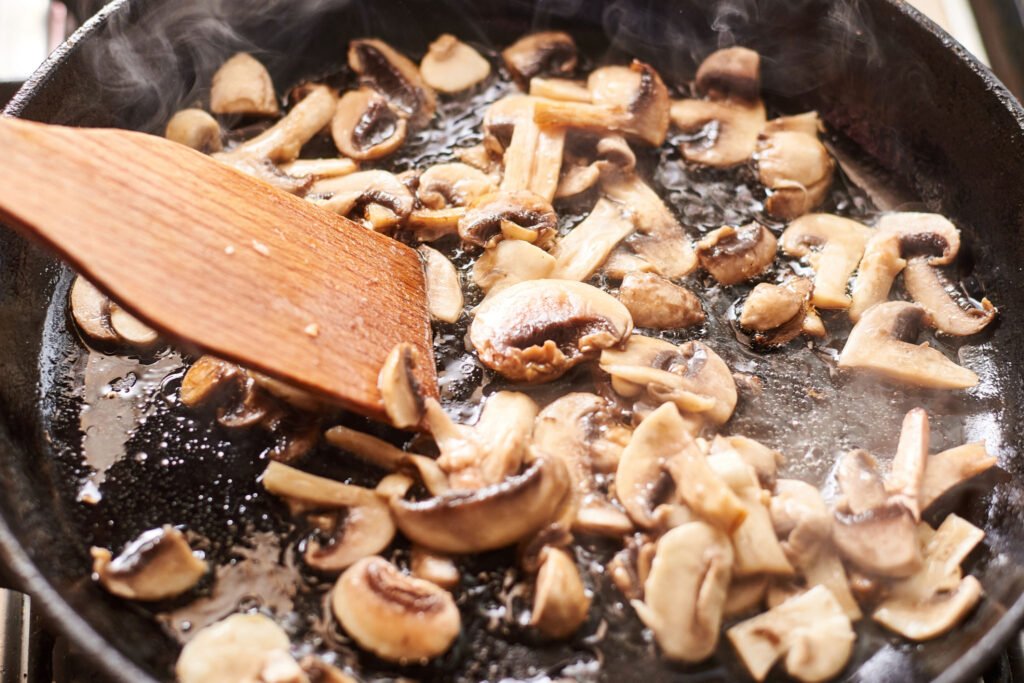
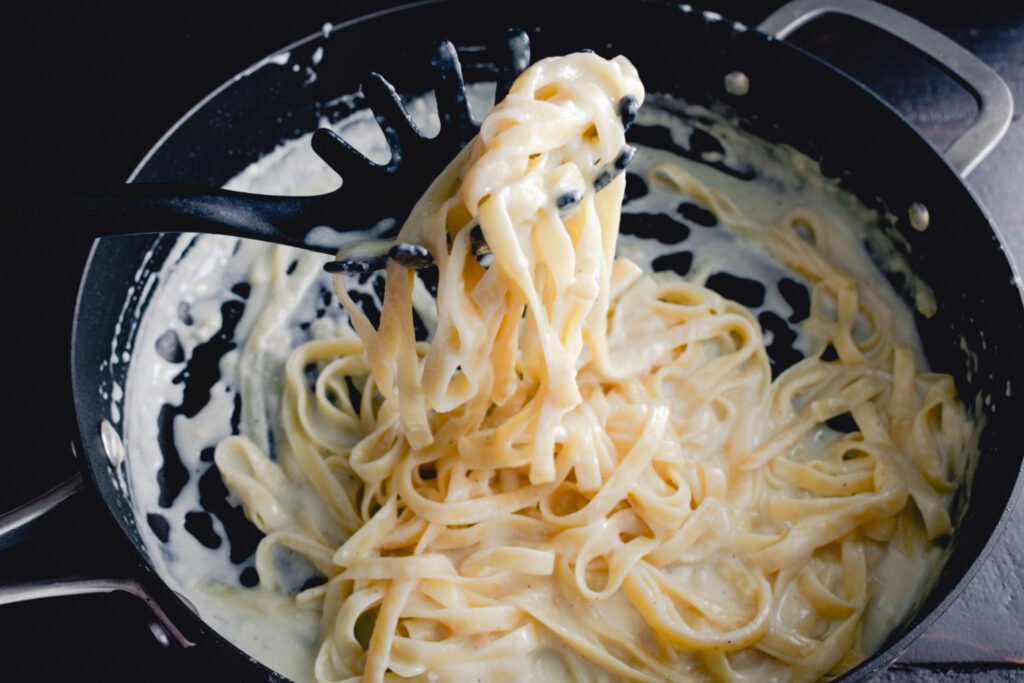
Start by bringing a large pot of well-salted water to a boil. Cook the pasta according to package instructions until al dente. Before draining, reserve about a cup of pasta water and set it aside.
While the pasta cooks, heat olive oil and butter in a wide pan over medium heat. Add the sliced mushrooms and cook without stirring too often. This allows them to release moisture and develop a golden color, which adds depth to mushroom alfredo.
Once the mushrooms are browned, add the minced garlic and cook briefly until fragrant. Reduce the heat slightly and pour in the heavy cream. Let it simmer gently, stirring occasionally, until it begins to thicken.
Gradually add the grated parmesan cheese, stirring constantly to create a smooth and creamy mushroom alfredo sauce. Season with salt, black pepper, and herbs if using.
Add the cooked pasta directly to the pan and toss until fully coated. If the sauce feels too thick, add reserved pasta water a little at a time until the desired consistency is reached.
Texture and Flavor Tips
The key to great mushroom alfredo is gentle heat. High heat can cause the cream to separate, resulting in a grainy sauce. Freshly grated parmesan melts more smoothly than pre-shredded cheese.
Letting mushrooms brown properly before adding cream enhances the flavor and prevents a watery sauce.
Nutritional Information of Mushroom Alfredo
Mushroom alfredo is rich due to its cream and cheese content, but it also offers nutritional benefits. Mushrooms are low in calories and contain fiber, antioxidants, and essential minerals.
Parmesan cheese provides calcium and protein, while cream adds fats that promote satiety when eaten in moderation. Portion control and ingredient balance help keep mushroom alfredo enjoyable without feeling heavy.
Healthier Mushroom Alfredo Variations
Mushroom alfredo can be adapted to suit different dietary preferences.
A lighter version can be made by replacing heavy cream with milk or half-and-half thickened with a small amount of cornstarch. Vegan mushroom alfredo uses cashew cream or plant-based milk and nutritional yeast instead of dairy.
For gluten-free mushroom alfredo, simply use gluten-free pasta made from rice or lentils. These variations preserve the comfort of the dish while aligning with individual needs.
Common Mistakes to Avoid
Overcooking mushrooms can make them rubbery. Adding cheese too quickly or over high heat may cause clumping. Using pre-shredded cheese often results in a grainy sauce.
For the best mushroom alfredo, keep the heat moderate, stir patiently, and taste as you go.
How to Store and Reheat Mushroom Alfredo
Mushroom alfredo is best enjoyed fresh, but leftovers can be stored in an airtight container in the refrigerator for up to three days. When reheating, add a splash of milk or cream and warm slowly over low heat.
Avoid reheating on high heat, as this can cause the sauce to separate.
What to Serve With Mushroom Alfredo
Because mushroom alfredo is rich, it pairs well with lighter side dishes. A fresh green salad, roasted vegetables, garlic bread, or steamed broccoli complement the creamy pasta without overpowering it.
These sides help create a balanced meal.
Why Mushroom Alfredo Never Gets Old
Mushroom alfredo is more than just pasta with cream. It’s a dish that adapts to your mood, your pantry, and your time. It can be simple or elevated, light or indulgent, but it always delivers comfort.
That’s why mushroom alfredo remains a favorite for home cooks everywhere.
Final Thoughts
Mushroom alfredo is a timeless comfort dish built on simple ingredients and thoughtful technique. With earthy mushrooms, creamy sauce, and perfectly cooked pasta, it offers warmth and satisfaction in every bite.
Whether you’re cooking it for the first time or returning to a familiar favorite, mushroom alfredo proves that the best meals don’t need to be complicated — they just need to be made with care.
Related Article:
Tahini and Honey: The Sweet, Nutty Blend Everyone Loves
Enjoy this Recipe?
If you loved this recipe and want to see more, visit our website and follow us on social media!

