
Looking for an exercise that strengthens your core, sculpts your glutes, and tones your entire lower body at once? Goblet squats are the answer. Understanding Goblet Squat Muscles Worked allows you to maximize results with proper form.
This move isn’t just for beginners; even experienced lifters benefit from its full-body activation. Goblet squats improve balance, increase stability, and target multiple muscle groups efficiently. By knowing which muscles are engaged, you can train smarter and avoid injury.
What Are Goblet Squats?
A goblet squat is a weighted squat variation performed while holding a dumbbell or kettlebell close to your chest. Unlike traditional squats, this variation emphasizes upright posture and keeps the core engaged throughout the movement.
The beauty of goblet squats lies in their simplicity. You don’t need a barbell or squat rack; all you need is a single weight, making it perfect for home workouts. By focusing on Goblet Squat Muscles Worked, you ensure every rep counts toward building strength and shaping your lower body.
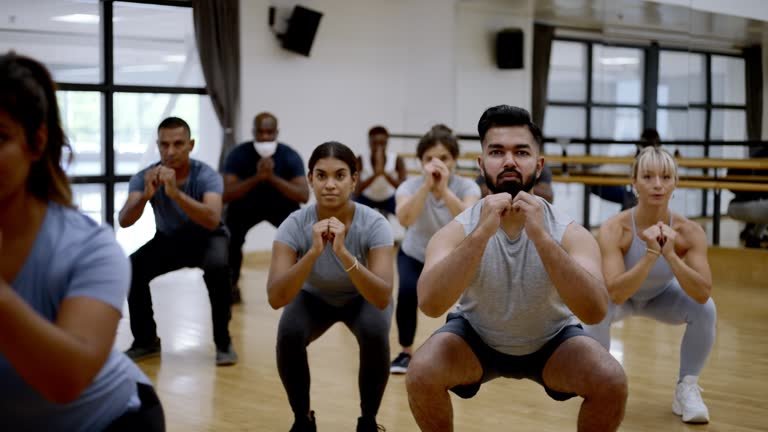
Primary Muscles Worked
The main strength of goblet squats comes from targeting the primary muscles of the lower body. Each rep fires multiple muscles simultaneously, creating a compound workout that’s highly effective.
- Quadriceps: The front thigh muscles take the brunt of the work during the upward phase, powering your legs and knees.
- Glutes: Activated during hip extension, the glutes contribute to both strength and aesthetic shaping.
- Hamstrings: These muscles assist in stabilizing your knees and hips, controlling your descent, and supporting smooth movement.
By consistently performing goblet squats, you can improve leg strength, sculpt curves, and increase overall athletic performance.
Secondary Muscles Worked
Goblet squats also engage several secondary muscles that support stability and posture. These muscles don’t generate the main movement but are essential for proper form and injury prevention.
- Core: Engaged to maintain an upright torso and balance the weight.
- Lower Back: Works to prevent forward leaning and maintain spinal alignment.
- Calves: Stabilize the ankle joint and improve balance during the squat.
Focusing on these secondary muscles ensures that Goblet Squat Muscles Worked is more than just a lower-body exercise; it’s a full-body functional movement.
Benefits of Goblet Squats
Understanding Goblet Squat Muscles Worked highlights why this exercise is a must in any workout routine. The benefits extend beyond muscle building to overall functional fitness.
- Improved Lower Body Strength: Targets quads, hamstrings, and glutes for stronger, more powerful legs.
- Enhanced Core Stability: Strengthens abdominal and oblique muscles, improving posture and balance.
- Functional Fitness: Simulates natural movements like sitting and standing, improving daily mobility.
- Injury Prevention: Strengthens stabilizing muscles around joints, reducing the risk of strains or sprains.
- Versatility: Can be performed with minimal equipment at home or in the gym.
These benefits make goblet squats a cornerstone for both aesthetic and functional fitness goals.
How to Perform Goblet Squats Properly
Executing goblet squats with proper form is crucial to maximize Goblet Squat Muscles Worked. Incorrect technique can reduce effectiveness and increase injury risk.
Step-by-step instructions:
- Stand with feet shoulder-width apart, toes slightly turned out.
- Hold a dumbbell or kettlebell close to your chest with both hands.
- Engage your core and keep your chest upright.
- Squat down slowly, pushing your hips back and bending at the knees until thighs are parallel to the floor.
- Press through your heels to return to the starting position.
- Repeat for the desired number of reps.
Tips for maximum activation:
- Avoid letting your knees cave inward.
- Keep the weight close to your chest to maintain balance.
- Control the movement; don’t rush the descent or ascent.
Table: Goblet Squat Muscles Worked Overview
| Muscle Group | Function | Activation Type |
|---|---|---|
| Quadriceps | Knee extension | Primary |
| Glutes | Hip extension | Primary |
| Hamstrings | Knee flexion & hip stabilization | Primary |
| Core | Spine stability | Secondary |
| Calves | Ankle stabilization | Secondary |
| Lower Back | Posture & spinal support | Secondary |
This table provides a quick reference for beginners and fitness enthusiasts to understand which muscles get engaged during goblet squats.
Variations to Target Muscles Differently
You can slightly tweak goblet squats to emphasize different muscles or increase difficulty.
- Pulse Goblet Squats: Stay low and pulse to increase glute activation.
- Goblet Squat to Press: Add an overhead press to engage shoulders and arms.
- Wide Stance Goblet Squats: Focus more on inner thighs and adductors.
- Single-Leg Goblet Squats: Increase balance and unilateral strength.
Each variation still hits the primary Goblet Squat Muscles Worked, while adding functional benefits and variety to your routine.
Common Mistakes to Avoid
Even simple exercises like goblet squats can be done incorrectly, reducing results and increasing injury risk.
- Leaning Forward: Reduces core engagement and strains the lower back.
- Knees Caving In: Can stress the knee joint and reduce quadriceps activation.
- Rushing Reps: Reduces tension on muscles and lowers effectiveness.
- Using Too Much Weight: Compromises form, risking injury.
By correcting these mistakes, you ensure that Goblet Squat Muscles Worked are fully engaged with every rep.
Tips to Maximize Results
To get the most out of goblet squats, focus on both form and consistency.
- Perform 3–4 sets of 10–15 reps depending on your fitness level.
- Pair with complementary exercises like lunges or deadlifts.
- Incorporate progressive overload by gradually increasing weight.
- Focus on mind-muscle connection to feel each muscle working.
These strategies ensure you hit all Goblet Squat Muscles Worked while building functional strength and aesthetics.
Conclusion
Goblet squats are a versatile, highly effective exercise for building strength, stability, and muscle tone. By understanding Goblet Squat Muscles Worked, you can target the quads, glutes, hamstrings, core, and stabilizers efficiently.
Incorporate goblet squats into your routine to enjoy stronger legs, a firmer core, better balance, and improved overall performance. With proper form and consistency, this simple exercise can transform your lower body and functional fitness.
For more Info as related articles:
Fitness and Exercise