
If you keep asking “why are my eyes always red?”, you’re not alone. Red eyes are a very common concern. Sometimes the redness is temporary — from crying or lack of sleep — but other times it becomes a daily problem that affects comfort and confidence. In this simple guide I explain the main reasons why are my eyes always red, how each cause works, and practical steps you can take to ease the redness safely.
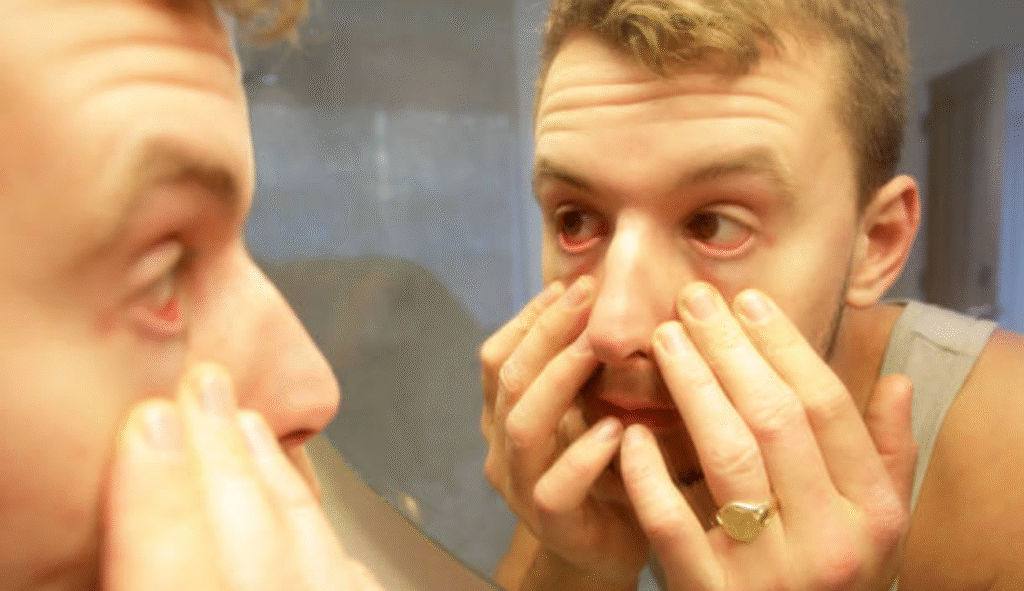
Redness happens when tiny blood vessels on the eye surface swell or become irritated. The white part of the eye (the sclera) turns pink, bloodshot, or red. That visible change is your body’s signal that something is irritating the eye: dryness, allergies, infection, strain, or another issue. If you’ve been typing the question why are my eyes always red into search, this article will walk you through the likely causes and clear next steps.
What it means when your eyes stay red
When the question why are my eyes always red keeps coming back, it usually means the problem is repeated or long-term. Short-lived redness from crying or a late night usually clears up, but persistent redness needs a closer look. The common signs that make eyes look red include:
- Dilated or swollen blood vessels
- Surface irritation or dryness
- Inflammation from allergies or infection
- Eye strain from screens or poor lighting
Understanding the root cause is the first step to treating it.
Main reasons your eyes are always red
Below are the common causes explained simply so you can spot likely reasons and try the right fixes.
1. Dry eyes (Dry Eye Syndrome)
Dry eye is one of the top causes when people wonder why are my eyes always red. If your eyes don’t make enough tears, or if your tears evaporate too fast, the surface becomes dry and irritated.
Symptoms: burning, gritty feeling, tiredness, and sometimes too much watering.
Why it causes redness: lack of moisture irritates the surface and blood vessels expand.
Who gets it: screen users, older adults, contact lens wearers, or people in dry climates.
2. Allergies (Allergic Conjunctivitis)
If your redness comes with itching, watery eyes, and it happens in certain seasons or around pets, allergies are a likely cause. People often ask why are my eyes always red during pollen season — allergies release histamine which makes the eyes red and itchy.
Triggers: pollen, dust, smoke, perfumes, pet dander.
Symptoms: itchy, watery, swollen eyelids and red eyes.
3. Conjunctivitis (Pink Eye)
Conjunctivitis is inflammation of the thin lining over the white of the eye. Viral, bacterial, and allergic types exist. Viral cases are watery; bacterial cases often have thick yellow or green discharge.
Signs: red or pink eyes, discharge, crusting, irritation.
If you see thick discharge or one eye is very painful, seek care.
4. Contact lens irritation
If you’re asking why are my eyes always red and you wear lenses, consider your lens habits. Overwearing, sleeping in lenses, poor cleaning, or old lenses can cause chronic redness.
Fixes: stop lenses until eyes clear, replace or clean properly, talk with your eye care professional.
5. Digital eye strain
Long hours on phones, tablets, or computers reduce blinking and increase tear evaporation. Many people who wonder why are my eyes always red have one thing in common: heavy screen use.
Symptoms: tired eyes, blurry vision, burning, red eyes, headaches.
Simple step: use the 20-20-20 rule — every 20 minutes look 20 feet away for 20 seconds.
6. Eyelid problems (Blepharitis)
Blocked oil glands on eyelid edges cause blepharitis. This makes eyes feel gritty and remain red.
Symptoms: red eyelids, flakes on lashes, constant irritation.
Care: warm compresses and gentle lid cleaning help most people.
7. Burst blood vessel (Subconjunctival hemorrhage)
A bright red patch on the white of the eye can look scary but is often harmless. It results from a small broken vessel after sneezing, coughing, or strain. It fades in 1–2 weeks.
8. Corneal irritation or infection
If you have sharp pain, light sensitivity, or blurred vision along with redness, the cornea may be involved. Corneal injuries and infections are serious and need prompt medical attention.
9. Serious eye conditions (Uveitis, Glaucoma)
Less common but urgent causes include uveitis and angle-closure glaucoma. These produce deep pain, vision changes, and redness. If your redness comes with severe pain or sudden vision loss, see an eye specialist right away.
Why your eyes might always be red
| Cause | Main Symptoms | Why it Causes Redness | Who it Affects |
|---|---|---|---|
| Dry eyes | Burning, gritty, watering | Lack of moisture irritates surface | Screen users, older adults, lens wearers |
| Allergies | Itching, watery, swollen lids | Histamine widens blood vessels | Allergy sufferers |
| Conjunctivitis | Discharge, crusting | Infection or inflammation | All ages; contagious |
| Contact lenses | Tired, red eyes | Reduced oxygen; irritation | Daily lens users |
| Digital strain | Blurred vision, redness | Reduced blinking → dryness | Office workers, students |
| Blepharitis | Red lids, flakes | Blocked oil glands | People with oily skin/dandruff |
| Burst vessel | Bright red patch | Broken surface vessel | Anyone; often harmless |
| Corneal issues | Pain, light sensitivity | Injury or infection | Contact lens wearers, injured eye |
| Uveitis/Glaucoma | Pain, vision change | Deep inflammation or pressure | Needs urgent care |
Simple steps to soothe constant red eyes
Try these safe, practical ideas to reduce redness:
- Use preservative-free artificial tears often.
- Take regular breaks from screens (20-20-20 rule).
- Practice eyelid hygiene with warm compresses if you have blepharitis.
- Stop wearing contact lenses until eyes feel better.
- Use a humidifier in dry rooms.
- Avoid rubbing your eyes — it makes redness and infection worse.
- For allergies, cold compresses and avoiding triggers help a lot.
If you follow these steps and still wonder why are my eyes always red, or your symptoms are severe, visit an eye care professional.
When to see a doctor
Make an appointment if you have one or more of these with redness:
- Sudden vision changes or loss
- Severe eye pain
- Light sensitivity (photophobia)
- Thick yellow or green discharge
- Eye injury or chemical splash
- Redness that does not improve after a few days
These signs may show a serious condition that needs medical treatment.
Final thoughts
As you search for why are my eyes always red, remember most causes are treatable. Simple changes — better screen habits, eyelid care, stopping lens use, and artificial tears — often help quickly. But if redness is constant, painful, or affects your vision, get an eye exam to find and treat the exact cause.
Related Articles:
Acne Around Mouth: Symptoms, Causes & Care