

How to Stop Feeling Overwhelmed at Home
If you’re searching for how to stop feeling overwhelmed at home, start smaller than your brain is telling you to. The quickest way to feel better is usually to calm your body for a few minutes, stop trying to fix everything at once, and choose one visible task that lightens the load right now.
Home overwhelm is rarely just about mess. It can be clutter, yes, but also noise, unfinished chores, too many decisions, poor sleep, work stress, caring for other people, or simply having more demands than energy.
That matters, because the answer is not to “be more disciplined.” The answer is to make home feel lighter, one small reset at a time.
1. Do a 10-minute body reset before you tackle the house
When you feel frozen, shaky, snappy, or close to tears, start with your nervous system, not the laundry.
The CDC suggests short breaks of about 10 to 15 minutes to reduce stress. That can be enough time for a walk around the block, stretching in the kitchen, slow breathing, or a quick tidy if movement helps you settle.
Try this:
- Stand up and unclench your jaw
- Take 5 slow breaths, with a longer exhale than inhale
- Drink a glass of water
- Open a window or step outside for 2 minutes
- Set a timer for 10 minutes before doing anything else
This isn’t avoiding the problem. It’s getting your brain back online so you can think clearly.
2. Lower the standard for today
One reason home can feel crushing is that your brain keeps comparing real life to an imaginary ideal. Spotless kitchen. Folded laundry. Healthy dinner. Calm kids. Inbox at zero. You handling it all beautifully.
That picture is often what’s creating the pressure.
Ask yourself, “What would make this evening good enough?”
Maybe good enough looks like:
- Clean dishes, not a perfect kitchen
- One load of washing started, not all loads finished
- Toast and eggs, not a proper meal plan
- Toys in one basket, not every room reset
When you’re overloaded, lowering the standard isn’t giving up. It’s matching the plan to the energy you actually have.
3. Pick one room that gives the biggest relief
Trying to “sort the house” is too vague. Choose the room that will change how the next few hours feel.
For most people, that’s one of these:
- Kitchen: because visible mess there can make the whole evening feel off
- Living room: because it’s where everyone lands and clutter multiplies fast
- Bedroom: because sleep gets harder when the room feels chaotic
- Entryway: because shoes, bags, coats, and papers create instant mental noise
Then use a tiny rule: clear only what you can see from one standing spot.
That might mean:
- Putting dishes in the sink and wiping one counter
- Folding one blanket and tossing trash
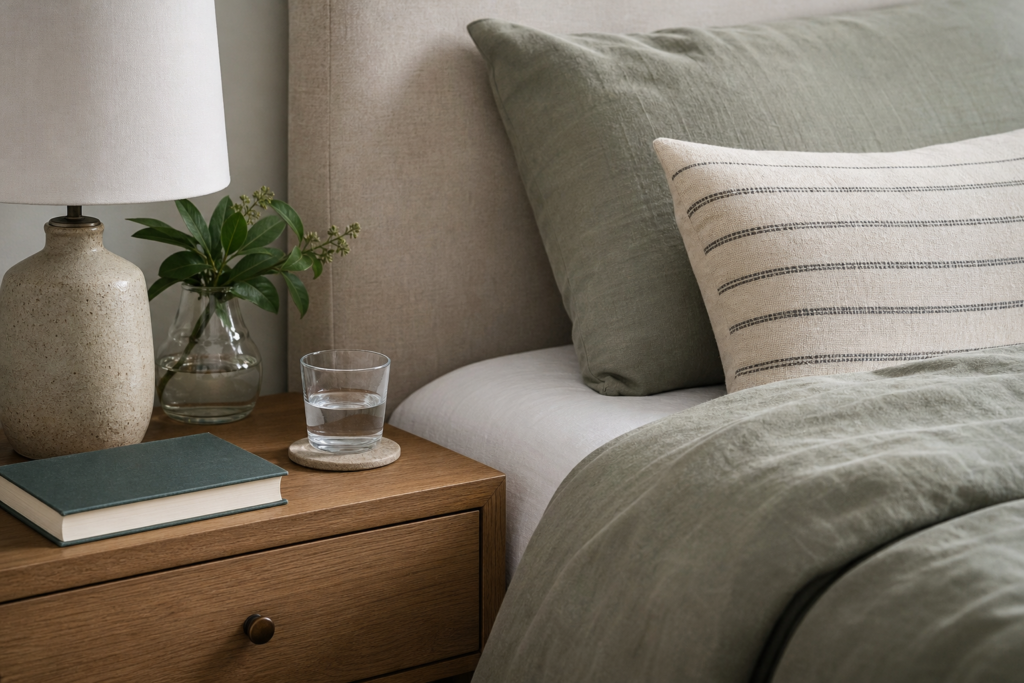
- Clearing your nightstand and making the bed loosely
- Lining up shoes and hanging bags
You don’t need a whole-house reset to feel calmer. You need one area that stops shouting at you.
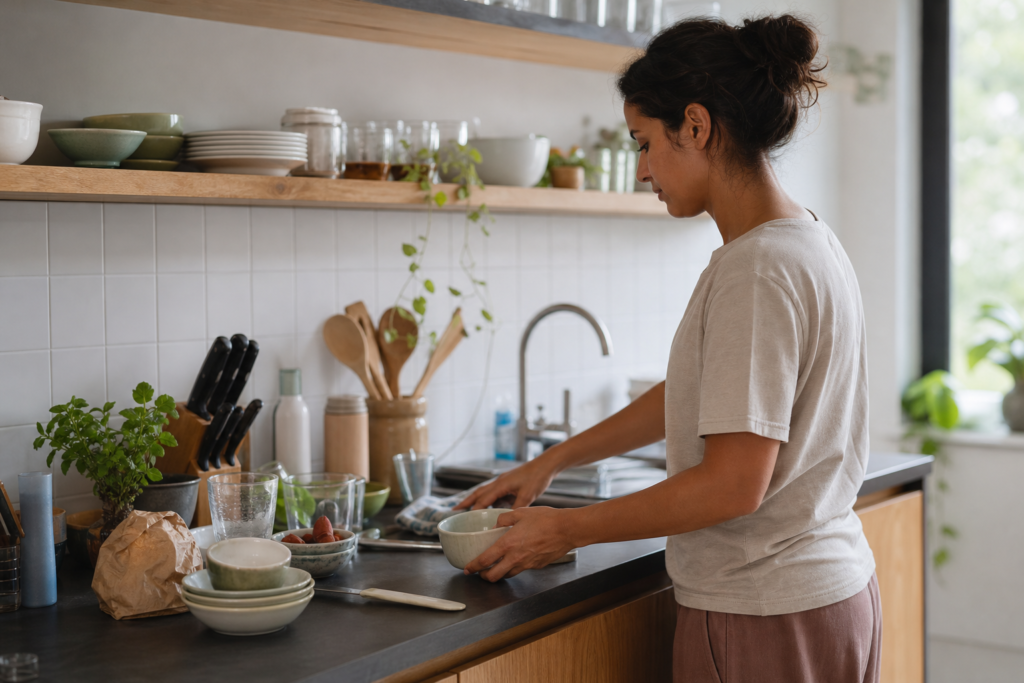
4. Use the “trash, dishes, laundry, put away” method
When a room is messy, decision fatigue sets in fast. A simple sorting order helps because you don’t have to keep deciding what comes next.
Try this order in any room:
- Trash first
- Dishes next
- Laundry after that
- Put away what belongs elsewhere
This works because the biggest visual clutter often disappears quickly. Even five minutes can change the room enough that you stop feeling trapped by it.
If you want more practical starting points for building steadier routines, the Welcome to Hopeful Life page and the Start Here category are good places to keep exploring.
5. Make fewer decisions after 5 p.m.
A lot of home overwhelm is really decision overload in disguise. What to cook. What to clean first. Whether to answer that text. If the laundry can wait. If you should organize the pantry while you’re at it.
By evening, your brain is often tired enough that tiny choices feel huge.
So give yourself defaults.
Useful home defaults
- Keep 3 easy dinners on repeat
- Choose one nightly closing task, such as resetting the kitchen sink
- Use one basket for things that belong in other rooms
- Have one standard answer for extra commitments: “I can’t this week”
- Pick one laundry day anchor, such as starting a load after breakfast
NIMH recommends setting priorities, deciding what can wait, and saying no when you are taking on too much. That applies at home just as much as at work.
If cooking adds to the pressure, browsing a few simple meal ideas in the Breakfast or Entree sections can help you keep dinner simpler this week.
6. Check the real load, not just the visible mess
This is the part many articles skip. Sometimes the house isn’t the main problem. The load is.
If your home responsibilities and outside demands are higher than your time, energy, money, or support, of course you feel overwhelmed. That’s not laziness. It’s overload.
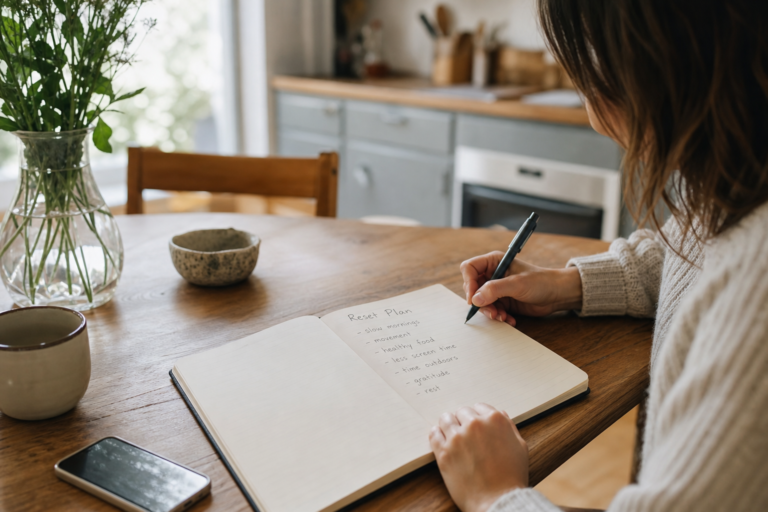
Take five minutes and write down everything currently pulling on you:
- Work tasks
- School forms or admin
- Meals
- Childcare or elder care
- Cleaning
- Appointments
- Emotional support you are giving other people
- Things you keep meaning to do
Then mark each item:
- Must do now
- Can wait
- Can be shortened
- Can be shared or dropped
Seeing the list on paper can be surprisingly calming because it turns a vague, heavy feeling into something visible and workable.
If you like reflective, practical guidance, the About Hopeful Life page explains the kind of steady, realistic support this site aims to offer.
7. Protect sleep and movement like they are housework
If you’re trying to figure out how to stop feeling overwhelmed at home, don’t ignore the basics. Stress hits harder when you’re tired, underfed, and sitting still all day.
The CDC recommends 7 or more hours of sleep for adults. The American Heart Association recommends at least 150 minutes of moderate physical activity a week, or 75 minutes of vigorous activity. That can sound ambitious when life is full, so it helps to think smaller.
What counts right now?
- A 30-minute walk
- Ten minutes of stretching while dinner cooks
- Going to bed 30 minutes earlier
- Putting your phone down before sleep
These habits don’t solve every problem. They do make overwhelm easier to carry.
For broader guidance on stress signs and daily care, the CDC page on managing stress and protecting mental health is genuinely useful.
8. Ask for help earlier than feels necessary
A lot of people wait until they’re near breaking point before saying anything. Support usually works better earlier.
Help at home doesn’t have to mean a dramatic rescue. It can look like:
- Asking your partner to fully own bedtime or dishes tonight
- Texting a friend: “I’m overloaded. Can you check in on me tomorrow?”
- Letting older kids do simple jobs, even if they do them imperfectly
- Ordering groceries instead of walking every aisle
- Postponing a social plan you do not have energy for
The American Psychological Association notes that social support is a real protective factor against stress. You don’t need a huge support network. A few trusted people matter.
If you tend to isolate when things pile up, make one small reach-out today. Short is fine. Honest is better than polished.
9. Know when overwhelm has moved beyond a home reset
Sometimes overwhelm at home is a rough week. Sometimes it’s part of something bigger, like chronic stress, burnout, anxiety, depression, grief, or another health issue.
Pay attention if you have symptoms that keep hanging around, such as:
- Trouble concentrating
- Sleep problems
- Headaches or body tension
- Stomach issues
- Feeling irritable or numb most days
- Struggling to do normal daily tasks
- Losing interest in things you usually care about
NIMH advises getting professional help if symptoms are severe, distressing, or last two weeks or more, especially if your usual functioning is slipping. If that sounds like you, a doctor or licensed mental health professional can help you sort out what is going on. Self-help can support you, but it shouldn’t replace care when things feel persistent or unmanageable.
A same-day reset plan you can use tonight
If you want something simple, use this order:
| Time | What to do | Why it helps |
|---|---|---|
| 2 minutes | Drink water and take 5 slow breaths | Brings stress down a notch |
| 10 minutes | Set a timer and clear one visible area | Creates quick relief without a huge commitment |
| 3 minutes | Write your top 3 priorities for tonight | Stops the mental spinning |
| 15-30 minutes | Do one practical task only, such as dishes or laundry | Builds momentum and lowers the load |
| 5 minutes | Prep one thing for tomorrow | Makes morning easier |
If you have a little energy left, write down three specific things that went okay today. The CDC suggests this kind of gratitude practice, and specific is better than vague. Try things like “I answered that email,” “the floor by the sofa is clear,” or “I asked for help instead of pushing through.”
What not to do when you’re overwhelmed at home
- Do not start six tasks at once
- Do not add organizing projects to avoid basic tasks
- Do not tell yourself you have to catch up on everything tonight
- Do not use food, alcohol, or endless scrolling as your main stress plan
- Do not assume feeling overwhelmed means you are failing
You’re probably not failing. You’re probably carrying too much, with too little recovery.
So pick one reset. Not all nine. One. Clear the sink, take the walk, text the friend, go to bed earlier, or lower the standard for tonight. A home can start to feel different very quickly when the next step is small enough to do.
Frequently Asked Questions
Why do I feel so overwhelmed in my own home?
Home overwhelm is often a mix of clutter, unfinished tasks, decision fatigue, noise, poor sleep, and too many responsibilities competing at once. It is not always about cleaning. Sometimes the bigger issue is that your demands are higher than your current energy, time, or support.
How can I stop feeling overwhelmed when my house is a mess?
Start with one visible area, not the whole house. Set a 10-minute timer and use a simple order: trash, dishes, laundry, then put away items that belong elsewhere. Quick wins calm your brain and make it easier to keep going without freezing up.
Can clutter really make you feel anxious or stressed?
Yes, it can. Visible clutter can add mental noise, increase decision fatigue, and make it harder to relax or focus. It does not mean clutter is the only cause, but reducing even one hot spot like the kitchen counter or entryway can bring noticeable relief.
What if I feel overwhelmed at home every day?
Daily overwhelm can be a sign that your routines, responsibilities, or stress levels need more than a quick tidy. Look at sleep, movement, workload, and support. If symptoms last two weeks or more or you are struggling to function, talk with a qualified health professional.



One Comment